Toddler Nightmares: 5-Minute Calm Plan + Bedtime Reset
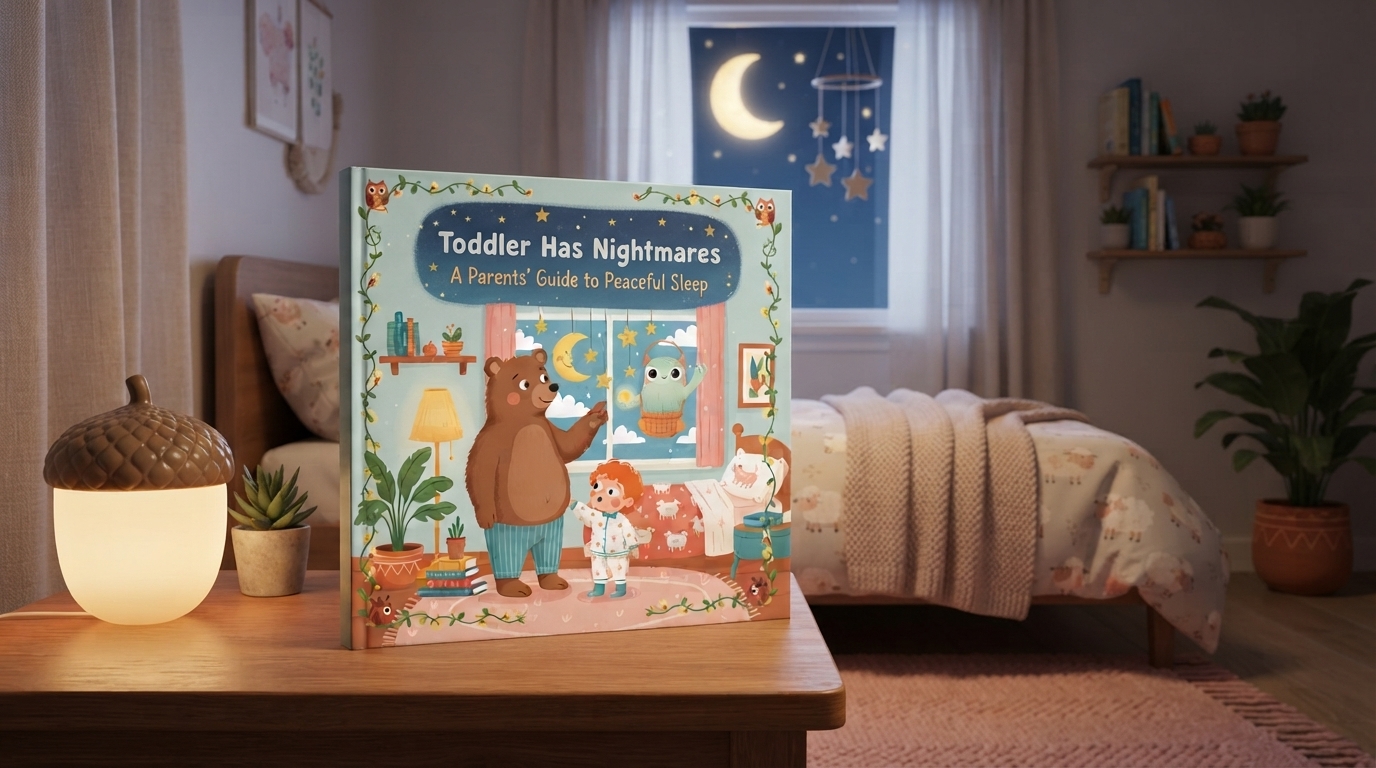
What to Do When Your Toddler Has Nightmares: Practical Comforting Tips and Bedtime Solutions
Nightmares can feel intense for toddlers and exhausting for parents, especially when they repeat night after night. A steady, calm response paired with a predictable bedtime routine can reduce fear, shorten wake-ups, and help everyone get more rest. Below is a simple nighttime “reset plan,” exactly what to do in the moment, and practical ways to prevent recurring nightmares without turning bedtime into a battle.
Nightmares vs. night terrors: why the difference matters
Not every nighttime episode is a nightmare. Knowing which one you’re dealing with helps you choose the right response—comfort and connection for nightmares, safety and patience for night terrors.
- Nightmares usually happen later in the night (often during REM sleep). Your child may wake fully, cry for you, and remember scary images.
- Night terrors often happen in the first part of the night. A child may scream, thrash, look awake, but seem confused and hard to console—and typically won’t remember it in the morning.
- Nightmares respond best to reassurance and gentle coping tools; night terrors respond best to keeping the child safe and waiting calmly.
- If episodes involve sleepwalking, dangerous behaviors, breathing problems, or frequent vomiting, consider discussing it with a pediatrician.
Quick guide: nightmare or night terror?
| Clue | Nightmare | Night terror |
|---|---|---|
| Time of night | Middle to late night | Early night (first third) |
| Child fully awake? | Usually yes | Often no (appears awake but isn’t) |
| Comfort helps? | Yes—responds to soothing | Limited—may resist comfort |
| Memory in the morning | Often remembers parts | Usually no memory |
| Best parent response | Reassure, reconnect, help re-settle | Keep safe, stay calm, don’t fully wake |
For more general bedtime and sleep guidance, see resources from HealthyChildren.org (American Academy of Pediatrics) and the NHS.
In-the-moment steps: a 5-minute calming routine after a nightmare
The goal at 2 a.m. is quick safety, quick regulation, and a smooth return to sleep—without accidentally teaching your toddler that nightmares lead to long conversations or big changes.
1) Lead with safety cues
Use a soft voice, keep lights dim, and do a brief room check: “All clear—your room is safe.” Toddlers calm faster when their senses get the same predictable signal every time.
2) Name the feeling (not the storyline)
Try: “That was scary. You’re safe with me.” Avoid deep dives into “monsters,” shadows, or elaborate explanations in the middle of the night. Long discussions can make the images stickier.
3) Use one simple regulation tool
Pick one: three slow breaths together, a sip of water, a quick cuddle, or a gentle back rub. Keep it brief and repeatable so your child learns a reliable pattern.
4) Repeat the same short script
Consistency helps your toddler’s brain recognize the sequence: wake, connect, calm, sleep. A simple script might be: “You’re safe. I’m here. It’s time to rest.”
5) Offer a tiny choice to restore control
Choices reduce panic without extending wake time: “Do you want your blanket tucked or your teddy?” Then guide back to the pillow and keep the room boring.
If your toddler asks to sleep in your bed, decide your rule ahead of time and respond consistently. Mixed responses (“sometimes yes, sometimes no”) often create longer wake-ups.
What often triggers toddler nightmares (and what to adjust)
Nightmares aren’t always random. A few common triggers show up again and again—especially in toddlers whose brains are rapidly developing and processing new experiences.
- Overtiredness or irregular schedules: inconsistent naps, late bedtimes, and shifting wake times can increase night wakings and vivid dreams.
- Overstimulating media: some “kid” content still includes villains, loud music, fast cuts, or tense scenes that linger at bedtime.
- Big life changes: daycare transitions, travel, a new sibling, potty training, or switching rooms can surface as nighttime fear.
- Illness and fever: fevers can intensify vivid dreams; prioritize comfort, hydration, and extra sleep while recovering.
- Bedtime tension: long negotiations, rushed routines, or power struggles can raise arousal levels right before sleep.
For a deeper overview of nightmare causes and coping strategies, the Sleep Foundation’s nightmare resources can be helpful.
A bedtime “reset plan” to reduce recurring nightmares
Think of this as preventative maintenance: predictable evenings reduce uncertainty, and lower uncertainty reduces fear.
Build a predictable wind-down
Keep the order the same: bath, pajamas, two books, cuddle, lights out. Toddlers relax faster when bedtime feels familiar and non-negotiable.
Add a “worry-off” moment earlier
Invite feelings before teeth brushing—not after lights out. A simple prompt: “What was your favorite part of today? What was hard?” Then close it: “Thanks for telling me. We’ll handle it tomorrow.”
Create one comfort cue
A nightlight, a familiar stuffed animal, or a consistent lullaby becomes a “safety signal.” Keep it stable—switching comfort items nightly can backfire.
Use bedtime scripts
Keep returns to bed warm but brief
Practice during the day
Morning follow-up: turning scary dreams into confidence
When to get extra support
A guided, step-by-step option for parents who want a clear plan
- What to Do When Your Toddler Has Nightmares (ebook guide with practical comforting tips) includes prevention routines and in-the-moment scripts designed for real wake-ups, not perfect nights.
- When sleep deprivation is affecting the whole day, a simple planning framework can help reduce evening chaos: More Time, Less Stress: Time Management Mini-Course can support more consistent routines and calmer transitions into bedtime.
FAQ
How do I get my toddler to stop having nightmares?
Keep sleep and wake times steady, reduce overstimulating media (especially before bed), and use a predictable wind-down routine. After wake-ups, respond with short, consistent reassurance and practice coping skills in the daytime (like deep breaths and “change the ending”). Track likely triggers for 1–2 weeks so you can adjust what’s actually driving the pattern.











Leave a comment